The valuable compounds found in saffron and why people care about them
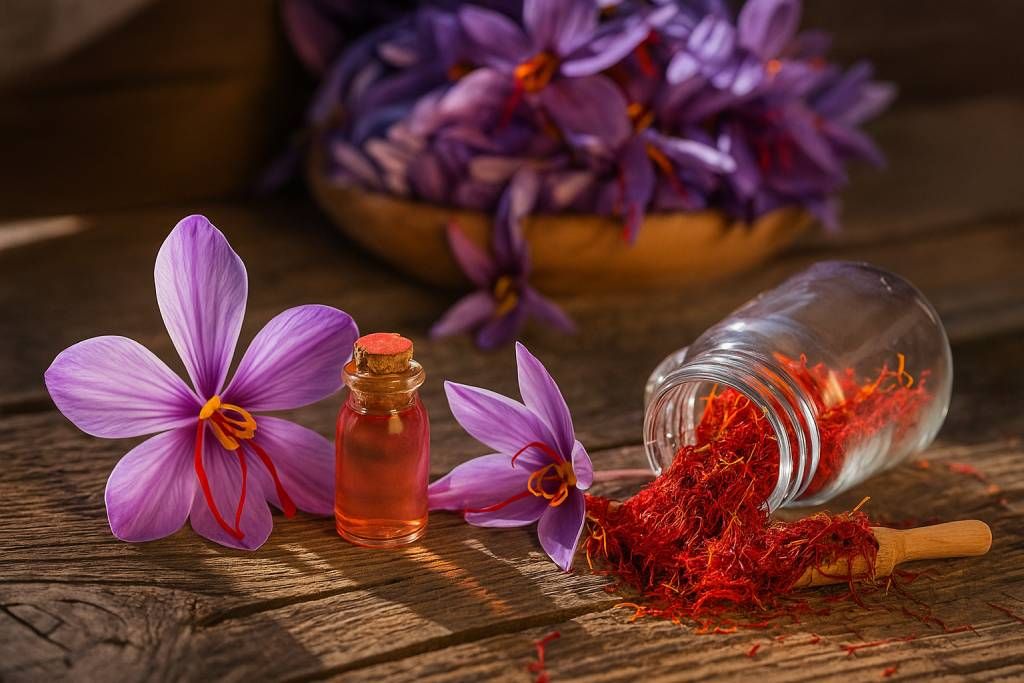
Learn about crocin, safranal, and picrocrocin — the natural compounds that give saffron its color, aroma, and unique characteristics.
The valuable compounds found in saffron and why they matter
When learning about saffron, many people come across names such as crocin, safranal, and picrocrocin.
These are natural compounds found in saffron and are part of the reason why this unique spice is widely appreciated in modern wellness lifestyles.
However, many beginners still wonder:
What these compounds actually are
What role they play
And why saffron has such a unique color and aroma
This article will help you understand the most notable compounds in saffron in a simple and approachable way.
Crocin — the compound responsible for saffron’s golden color
Crocin is one of the most recognized compounds found in saffron.
It is the component that gives saffron water its natural golden-yellow color after soaking.
Many people are interested in crocin because it is often mentioned in studies related to:
Relaxation
Emotional balance
Overall wellness support
Crocin is also one of the reasons saffron has such a distinctive appearance.
Safranal — the compound behind saffron’s aroma
If you have ever smelled real saffron, you may notice a unique aroma that feels:
Gentle
Herbal
Deep
and naturally calming
This aroma mainly comes from safranal, the compound responsible for saffron’s characteristic scent.
Many people enjoy saffron not only for its usage but also for the relaxing experience associated with its aroma.
Safranal is also frequently discussed in studies related to relaxation and sleep quality.
However, saffron is still considered a wellness-support product and not a medicine.
Picrocrocin — the source of saffron’s slightly bitter taste
Picrocrocin is the compound responsible for saffron’s mild bitter taste.
It is also one of the characteristics many people use to help identify authentic, high-quality saffron.
When saffron is prepared properly:
The flavor becomes smoother
The aroma becomes clearer
And the color infuses more naturally
Together, these three compounds:
Crocin
Safranal
Picrocrocin
create the signature saffron experience.
Why are people interested in saffron’s compounds?
Today, many people choose saffron as part of a more balanced and mindful lifestyle.
What makes saffron appealing is not only its value, but also:
The relaxing experience
The feeling of slowing down
Its simplicity in daily routines
And its natural wellness image
The natural compounds inside saffron contribute significantly to that experience.
Still, it is important to understand that:
Saffron is not a medicine
It should not replace medical treatment
Individual experiences may vary depending on lifestyle and usage habits
How to help saffron release its compounds more effectively
To help saffron release its natural compounds more effectively, many people recommend:
Soaking saffron for 10–15 minutes before drinking
Using warm water around 70–80°C
Using a moderate amount daily
Staying consistent instead of using excessive amounts
Using saffron correctly is usually more important than using a large quantity.
Conclusion
Natural compounds such as crocin, safranal, and picrocrocin are part of what makes saffron unique and valuable.
However, the most important thing about saffron is not expecting “miraculous” effects, but:
understanding the product properly
using it correctly
and making it part of a balanced lifestyle over time
“If you are new to saffron, focus on understanding its origin, quality, and proper usage before choosing a product that fits your lifestyle and needs.”
Related articles
- When is the best time to drink saffron? A practical guide for daily use
Should you drink saffron in the morning or at night? Learn the best times to use saffron threads and saffron-infused honey as part of a balanced wellness routine.
- Saffron and a modern healthy lifestyle: Why saffron alone is not enough
Discover how saffron fits into a healthy lifestyle. Learn why long-term wellness depends on daily habits, sleep, nutrition, stress management, and consistency.
- How many saffron threads should you consume per day? A beginner's guide
Wondering how many saffron threads you should use daily? Learn recommended amounts for beginners, proper usage methods, and why quality matters more than quantity.