Is saffron really good for you? A look at science and real-world use
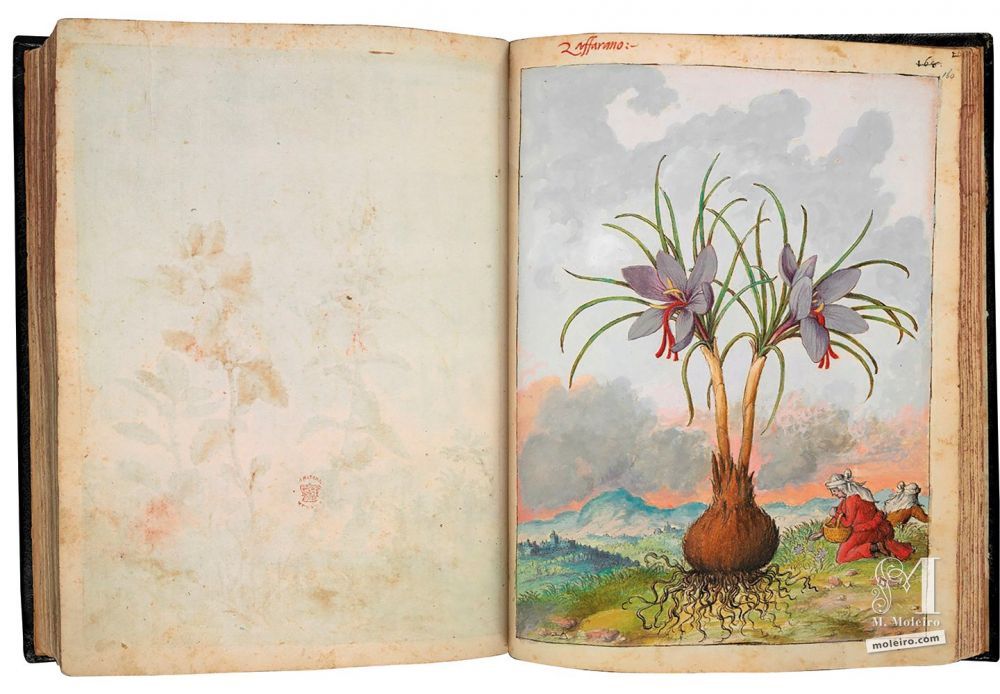
Is saffron truly beneficial, or is it just marketing hype? Explore scientific research, potential wellness benefits, and what you should know before using saffron.
Is saffron really good for you?
If you have researched saffron, you have probably seen claims such as:
"Saffron helps with sleep."
"Saffron promotes relaxation."
"Saffron is the world's red gold."
At the same time, many people wonder:
Is saffron really beneficial, or is it simply overhyped?
The short answer is that saffron is a natural botanical ingredient with more than 3,000 years of history and growing scientific interest. However, it is not a medicine and should not be expected to produce dramatic results overnight.
Let's look at the facts.
What is saffron and why is it so popular?
Saffron comes from the red stigmas of the Crocus sativus flower.
It has been used for over 3,000 years across:
Ancient Persia
Greece
Rome
India
Today, Iran produces approximately 85–90% of the world's saffron supply.
Saffron contains naturally occurring compounds including:
Crocin
Safranal
Picrocrocin
These compounds are responsible for its color, aroma, and the biological properties studied by researchers.
What does scientific research say?
Research on saffron has expanded significantly over the last two decades.
Many studies have focused on:
Emotional well-being
Sleep quality
Antioxidant activity
Quality of life
Several scientific reviews have highlighted promising findings while also noting the need for larger and longer-term studies.
This suggests that saffron is worthy of scientific interest but should not be viewed as a replacement for medical treatment.
What benefits may saffron support?
Relaxation and emotional well-being
Some research suggests that saffron's natural compounds may support a more relaxed and positive mood.
This is one reason many people choose to consume saffron as part of their daily wellness routine.
Sleep quality support
Saffron is frequently associated with sleep support.
Several small studies have reported improvements in self-reported sleep quality after regular saffron consumption over a period of weeks.
Individual experiences may vary.
Natural antioxidant intake
Crocin and Safranal are well known for their antioxidant properties.
Antioxidants help protect cells from oxidative stress generated by normal metabolism and environmental factors.
Why do some people notice benefits while others do not?
This can depend on several factors:
Saffron quality
Dosage
Consistency of use
Lifestyle habits
Individual differences
Saffron is not designed to compensate for poor sleep, chronic stress, or unhealthy lifestyle patterns.
Common misconceptions about saffron
You will notice results within a few days
Not necessarily.
Many people use saffron consistently for 2–4 weeks before evaluating their experience.
Saffron can cure diseases
No.
Saffron is a natural spice and wellness-support ingredient.
It is not a medicine and should not replace professional medical care.
More saffron means better results
Not always.
Using saffron appropriately is generally more important than using excessive amounts.
Is saffron worth trying?
From a practical perspective, saffron is:
A premium spice
A natural botanical ingredient
Rich in researched compounds
Supported by thousands of years of traditional use
Its value comes from complementing a healthy lifestyle rather than replacing fundamental health habits.
Is saffron a medicine?
No.
Saffron is a natural spice and wellness-support ingredient.
It is not a medicine and should not be used as a substitute for medical treatment.
Anyone with health concerns should consult a qualified healthcare professional.
Conclusion
Saffron is neither a miracle product nor simply marketing hype.
With a history spanning more than 3,000 years and growing scientific interest, saffron remains one of the most fascinating botanical ingredients in the world.
The key is to approach saffron with realistic expectations and view it as part of a balanced lifestyle rather than a shortcut to better health.
“If you are new to saffron, take time to learn about its origin, active compounds, and proper usage. Understanding the fundamentals often leads to a more meaningful and informed experience.”
Related articles
- When is the best time to drink saffron? A practical guide for daily use
Should you drink saffron in the morning or at night? Learn the best times to use saffron threads and saffron-infused honey as part of a balanced wellness routine.
- Saffron and a modern healthy lifestyle: Why saffron alone is not enough
Discover how saffron fits into a healthy lifestyle. Learn why long-term wellness depends on daily habits, sleep, nutrition, stress management, and consistency.
- How many saffron threads should you consume per day? A beginner's guide
Wondering how many saffron threads you should use daily? Learn recommended amounts for beginners, proper usage methods, and why quality matters more than quantity.