Is saffron good for women? Benefits for sleep, stress, skin, and overall wellness
Discover whether saffron is good for women. Learn how saffron may support sleep quality, stress management, skin health, and well-being during different stages of life.
Is saffron good for women?
Women often carry many responsibilities throughout their lives.
Between work, family, relationships, and personal goals, it is not uncommon to experience periods of stress, fatigue, poor sleep, or emotional ups and downs.
Many women have experienced:
Restless nights
Ongoing stress
Low energy levels
Mood changes before menstruation
Skin concerns linked to lack of sleep or stress
As a result, more women are exploring saffron as a natural wellness-support ingredient.
But is saffron really good for women?
Why are more women interested in saffron?
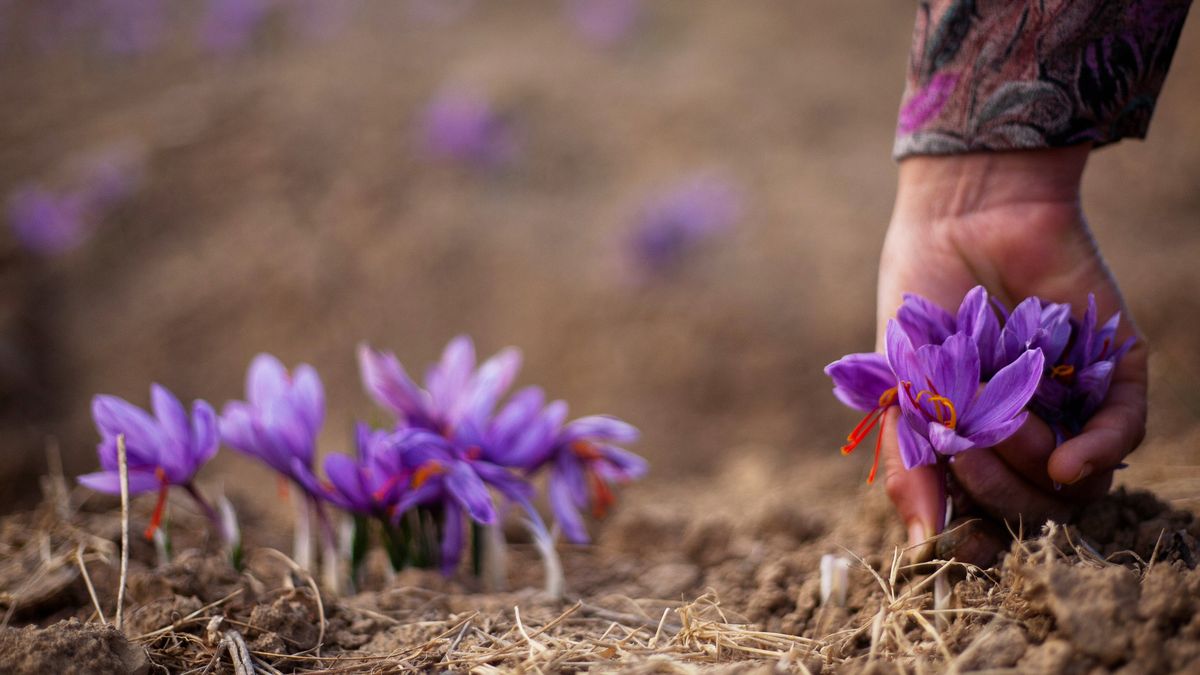
Saffron comes from the red stigmas of the Crocus sativus flower.
It naturally contains several well-known compounds, including:
Crocin
Safranal
Picrocrocin
These compounds have been widely studied for their antioxidant properties and their potential role in supporting overall wellness.
Because of this, saffron has gained increasing attention among women looking for natural ways to support their lifestyle and well-being.
Menstrual discomfort: an experience many women know well
For many women, the days before or during menstruation can be physically and emotionally challenging.
Common symptoms may include:
Menstrual cramps
Fatigue
Irritability
Mood fluctuations
Physical discomfort
Several clinical studies and systematic reviews suggest that saffron may help support women experiencing symptoms associated with premenstrual syndrome (PMS) and menstrual discomfort.
While saffron is not a treatment or replacement for medical care, these findings have contributed to growing interest in saffron among women seeking additional wellness support.
Saffron and sleep quality
Sleep is one of the most important foundations of health.
Unfortunately, stress, busy schedules, and hormonal fluctuations can affect sleep quality for many women.
Research has suggested that saffron may support healthy sleep patterns and overall sleep quality when used consistently as part of a balanced lifestyle.
Better sleep may contribute to:
Improved recovery
Better mood
Increased energy
Healthier-looking skin
Saffron and stress management
Modern life can be demanding.
Balancing professional responsibilities, family commitments, and personal well-being often creates ongoing pressure.
Several studies have explored saffron's potential role in supporting emotional well-being and promoting positive mood.
Although saffron is not a solution for stress-related conditions, many people include it as part of a broader wellness routine focused on relaxation and self-care.
Saffron and skin health
Skin health is often influenced by what happens inside the body.
Poor sleep, chronic stress, and lifestyle habits can all affect how the skin looks and feels.
Because saffron contains natural antioxidant compounds, it is frequently discussed in conversations about beauty and wellness from within.
Many women choose saffron as part of their long-term approach to supporting healthy-looking skin alongside proper nutrition, hydration, and skincare habits.
Can saffron help balance hormones?
This is one of the most frequently asked questions.
Currently, there is no strong scientific evidence showing that saffron can regulate hormones or replace hormone-related therapies.
However, by supporting sleep quality, emotional well-being, and stress management, saffron may indirectly contribute to a greater sense of balance in daily life.
It is important to understand that saffron should not be viewed as a hormone treatment.
How to use saffron
Saffron threads
Suggested daily use:
Normal or higher blood pressure: approximately 10 saffron threads per day
Lower blood pressure: approximately 5–7 saffron threads per day
Allow the saffron to steep in water for 10–15 minutes before drinking.
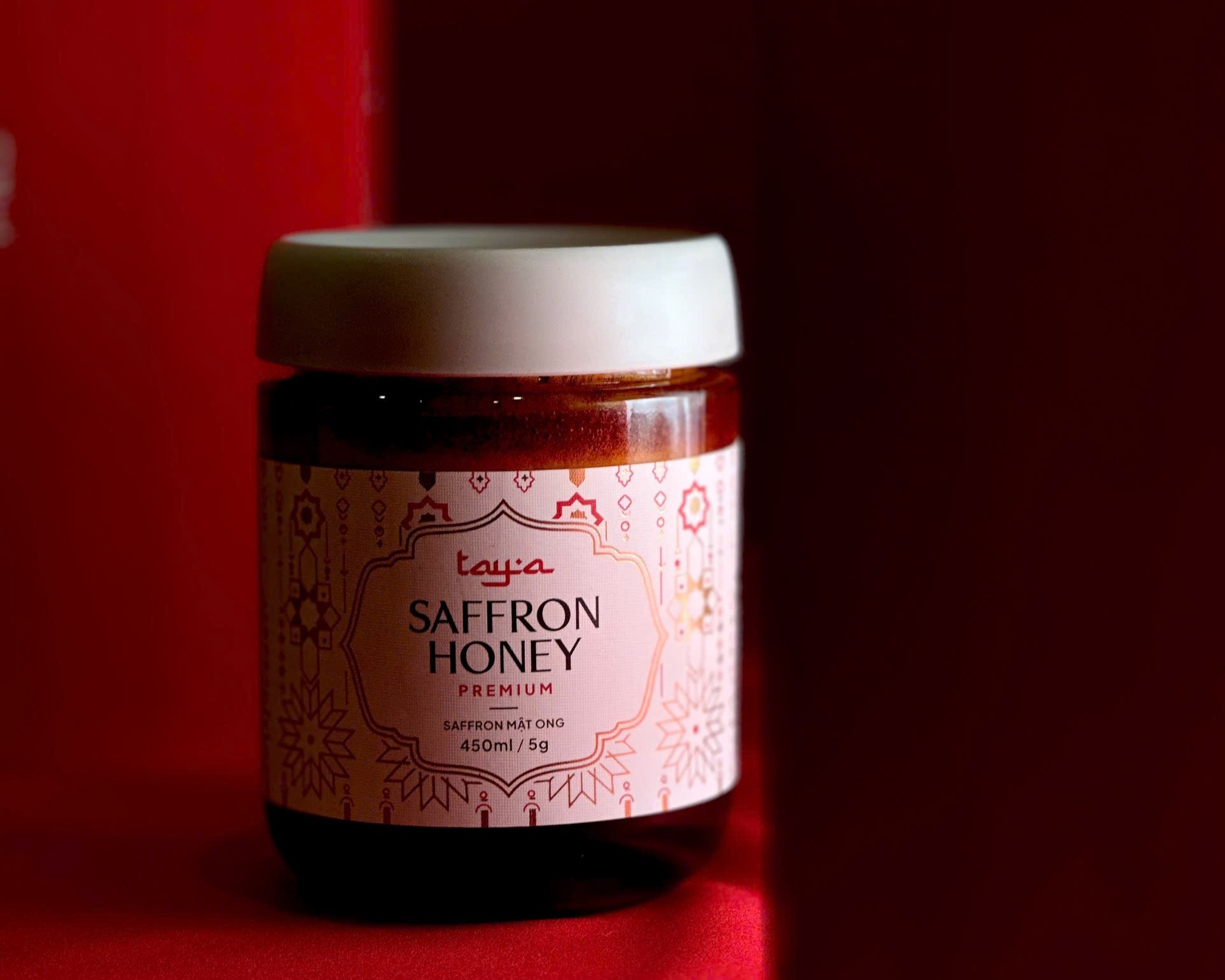
Saffron-infused honey
Many women enjoy saffron-infused honey because it is convenient and easy to incorporate into a daily routine.
A common preparation method is:
10g saffron threads
500ml pure honey
Allow the mixture to infuse for several days before use.
Is saffron a medicine for women?
No.
Saffron is a natural botanical ingredient and wellness-support product.
It is not a medicine and should not replace medical advice, diagnosis, treatment, or prescribed therapies.
FAQ
Can women use saffron every day?
Many women include saffron in their daily wellness routines when used in appropriate amounts.
Can saffron help with menstrual discomfort?
Some research suggests saffron may support women experiencing symptoms associated with PMS and menstrual discomfort. However, it is not a medical treatment.
Can saffron improve sleep quality?
Current research indicates that saffron may help support healthy sleep when used consistently as part of a balanced lifestyle.
Does saffron balance hormones?
There is currently insufficient evidence to conclude that saffron regulates hormones or replaces hormone therapies.
Can saffron support skin health?
Saffron contains antioxidant compounds that are often discussed in relation to overall wellness and healthy-looking skin.
Conclusion
If you are wondering whether saffron is good for women, the answer is that saffron may be a valuable addition to a healthy lifestyle.
Its value does not come from being a miracle solution, but from supporting everyday wellness habits such as:
Quality sleep
Stress management
Self-care
Long-term health maintenance
When used appropriately and consistently, saffron can become part of a balanced approach to well-being.
“Sometimes the most important investment a woman can make is taking time to care for herself.If you choose to use saffron, focus on consistency, healthy habits, and realistic expectations. Wellness is built through small daily actions that add up over time.”
Related articles
- When is the best time to drink saffron? A practical guide for daily use
Should you drink saffron in the morning or at night? Learn the best times to use saffron threads and saffron-infused honey as part of a balanced wellness routine.
- Saffron and a modern healthy lifestyle: Why saffron alone is not enough
Discover how saffron fits into a healthy lifestyle. Learn why long-term wellness depends on daily habits, sleep, nutrition, stress management, and consistency.
- How many saffron threads should you consume per day? A beginner's guide
Wondering how many saffron threads you should use daily? Learn recommended amounts for beginners, proper usage methods, and why quality matters more than quantity.