How does saffron help support better sleep? Research and practical insights
Can saffron help improve sleep quality? Discover what research says, how saffron may support relaxation, and what to expect from regular use.
How does saffron help support better sleep?
Sleep is one of the most important pillars of overall well-being. However, modern lifestyles, work-related stress, and constant exposure to digital devices can make it difficult for many people to unwind at the end of the day.
In recent years, saffron has gained attention as a natural ingredient that may help support sleep quality.
But how exactly does saffron help support better sleep?
Why is saffron often associated with sleep support?
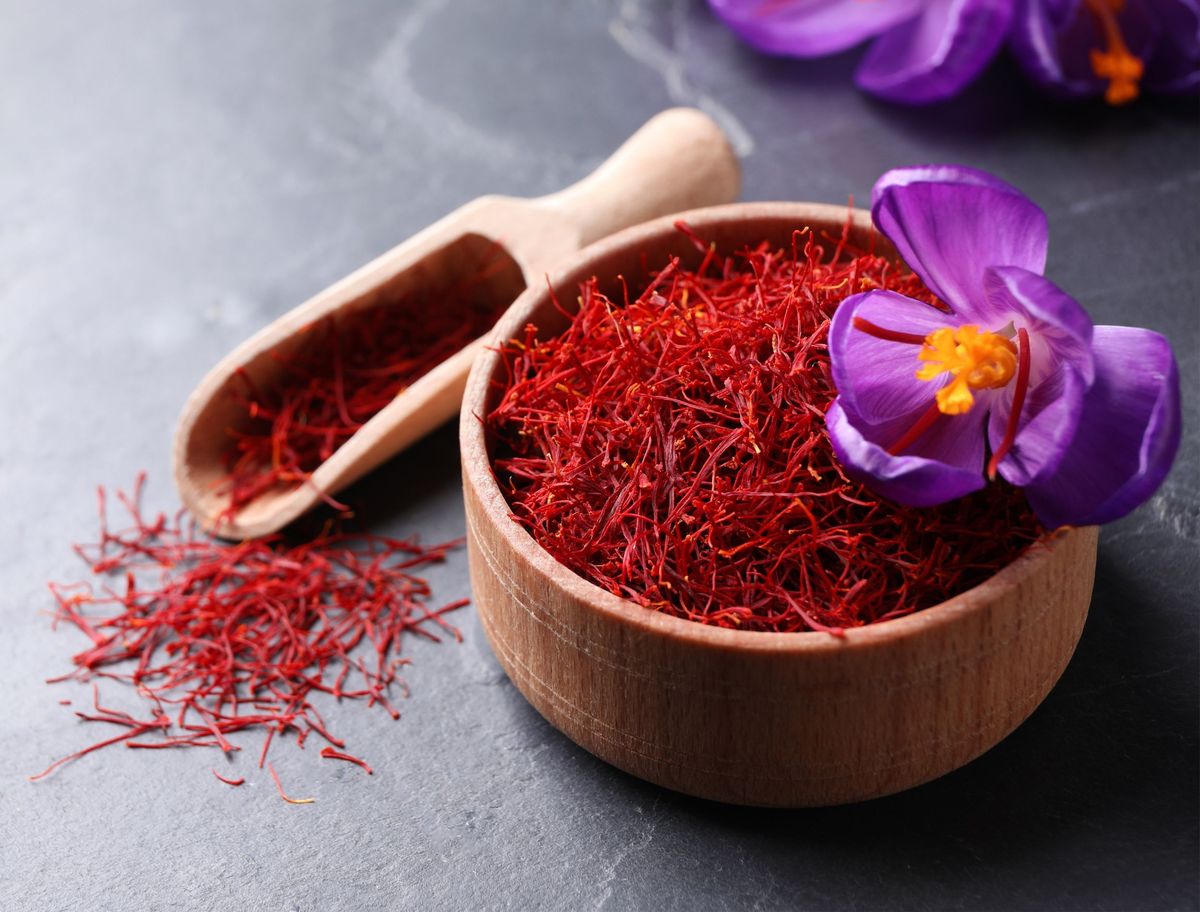
Saffron comes from the red stigmas of the Crocus sativus flower and has been used for more than 3,000 years throughout ancient Persia, Greece, and other civilizations.
Today, Iran produces approximately 85–90% of the world's saffron supply.
Saffron contains naturally occurring compounds including:
Crocin
Safranal
Picrocrocin
Researchers have studied these compounds for their potential relationship with relaxation and emotional well-being, both of which can influence sleep quality.
What does scientific research say?
Several clinical studies have explored saffron's relationship with sleep quality.
A study published in Nutrients in 2021 reported that participants using saffron extract experienced more positive improvements in sleep-related measures compared with control groups.
Researchers have observed potential benefits related to:
Falling asleep more easily
Improved perceived sleep quality
Better morning alertness
However, further large-scale studies are still needed.
Does saffron work like a sleeping pill?
No.
This is one of the most important points to understand.
Saffron is not a sleeping medication and does not induce sleep immediately.
Instead, current research suggests saffron may support:
Relaxation
Emotional balance
A more favorable environment for natural sleep
Why do many people take saffron in the evening?
Many users choose to consume saffron:
After dinner
30–60 minutes before bedtime
This timing often aligns well with relaxation routines and evening self-care habits.
How long does it take to notice a difference?
Unlike medications, saffron is not designed to produce immediate effects.
Many studies evaluate outcomes after:
2 weeks
4 weeks
or longer periods
Consistency is generally more important than high dosage.
Factors that influence individual results
Sleep experiences can vary depending on:
Saffron quality
Dosage
Consistency
Lifestyle habits
stress levels
People who regularly stay up late or have poor sleep habits may experience different results.
How to use saffron for sleep support
A common approach includes:
Using approximately 5–10 saffron threads daily
Steeping them in warm water (70–80°C)
Allowing at least 10–15 minutes before consumption
Regular use is typically more important than occasional use.
Is saffron a treatment for insomnia?
No.
Saffron is a natural botanical ingredient and wellness-support product.
It is not a medicine and should not replace professional medical treatment.
Anyone experiencing significant sleep difficulties should consult a healthcare professional.
Conclusion
Current research suggests that saffron may help support sleep quality by promoting relaxation and emotional well-being.
However, saffron is not a sleeping medication and should not be viewed as an instant solution.
Its greatest value lies in complementing a healthy lifestyle and a consistent sleep routine.
“If you are considering saffron as part of your sleep-support routine, choose a product with a clear origin, use it consistently, and allow enough time to evaluate your personal experience.”
Related articles
- When is the best time to drink saffron? A practical guide for daily use
Should you drink saffron in the morning or at night? Learn the best times to use saffron threads and saffron-infused honey as part of a balanced wellness routine.
- Saffron and a modern healthy lifestyle: Why saffron alone is not enough
Discover how saffron fits into a healthy lifestyle. Learn why long-term wellness depends on daily habits, sleep, nutrition, stress management, and consistency.
- How many saffron threads should you consume per day? A beginner's guide
Wondering how many saffron threads you should use daily? Learn recommended amounts for beginners, proper usage methods, and why quality matters more than quantity.